Rethinking Activewear: From Synthetic to Natural
The Hidden Problem in Sportswear
Most activewear on the market today is made from synthetic fibres such as polyester and polyamide, derived from fossil fuels and treated with harmful chemicals. These materials not only impact your skin and health, but also release microplastics in the production phase and into the environment through wear and domestic washing. Whether made from virgin fibres or recycled, the impact is similar and could even be worse with recycled fibres. See more about microfibre fragmentation in this article in our journal.
A Natural Alternative
At Win-Win Textiles, we believe performance should be healthy for you as a person and should not be harmful to the planet. We have developed a new activewear line made from natural-based renewable fibres — soft on the skin, breathable, and responsibly produced.
Contact our Director, Lars, for more information, fabric swatches and samples. We would be happy to create a unique line for your brand.

Our new line combines TENCEL™ Lyocell with Micro Technology, and Micro MODAL™ both with a GOTS approved mercerization process. Manmade Cellulosic Fibres (MMCF) are derived from renewable wood sources certified for responsible forestry.
Unlike synthetics like polyester and polyamide, their cellulosic origin allows them to biodegrade under industrial, home composting, and marine conditions, minimizing microplastic pollution and environmental persistence.
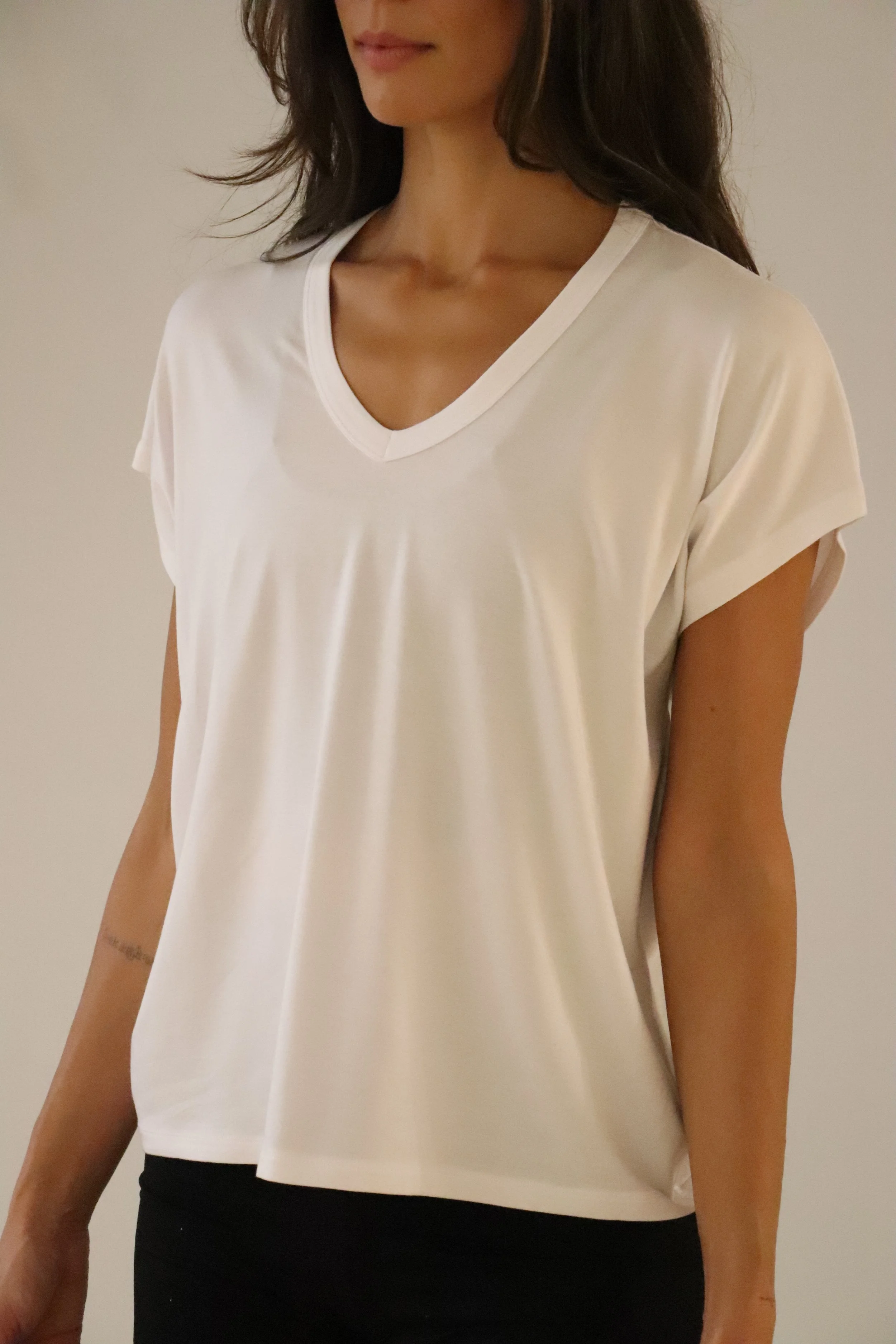
When used in performance apparel, MMCFs offer a unique balance of softness, breathability, and moisture management without compromising on durability. Their production processes are continuously evolving toward greater sustainability, with closed-loop systems that recover and reuse almost all water and solvents.
This circular approach leads to significantly lower carbon emissions and less dependence on non-renewable resources.

The mercerization process significantly changes the properties of the knit, giving it a refined appearance and improving its technical performance. In short, our fabrics become more resistant, stable, soft, and cool through the process and better than synthetics.
The mercerization process reduces water consumption in fabric processing by 20%. MMCFs support the shift toward renewable materials and a regenerative textile system. They bring together nature and innovation to create fabrics that perform beautifully while respecting both people and the planet.